Technical and Professionals Program Committee Hosts NMO Roundtable Discussion on Challenging the Negative Image of the Energy Industry
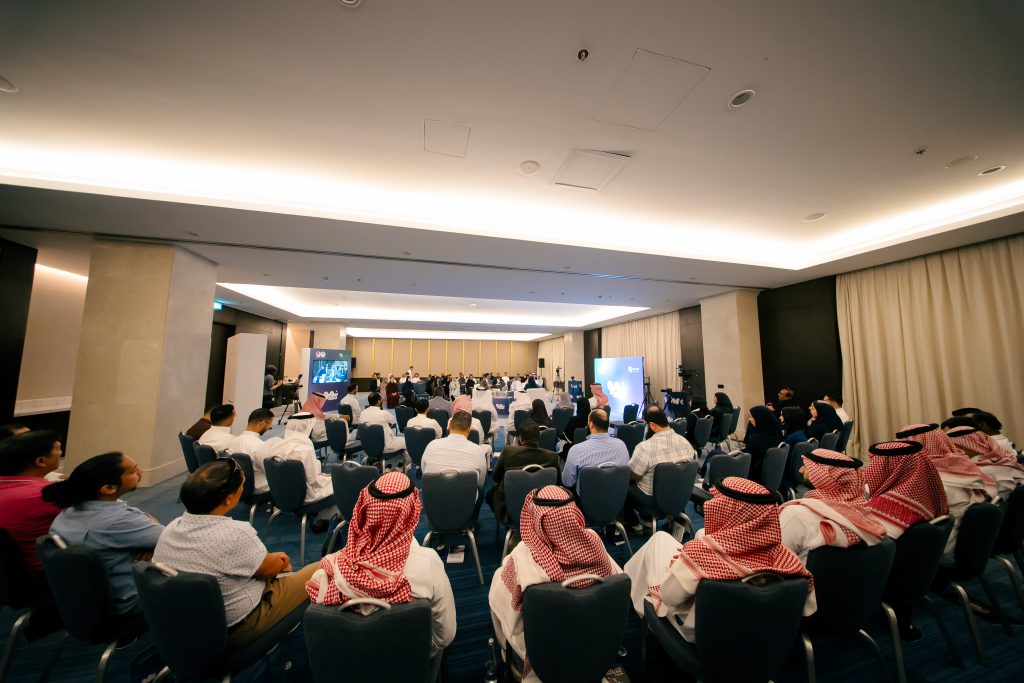
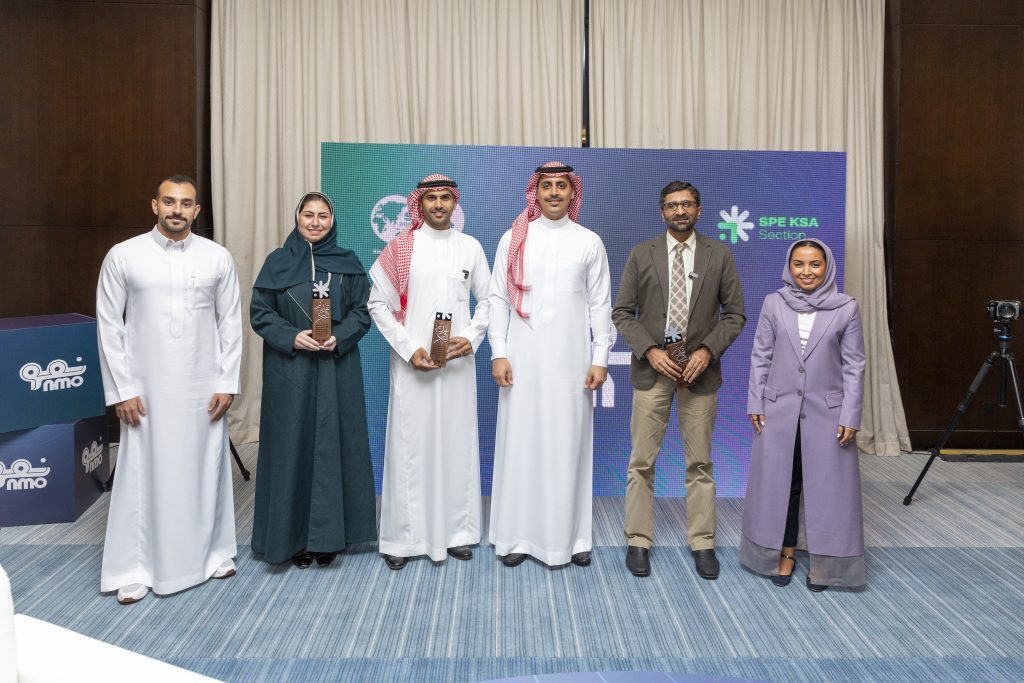
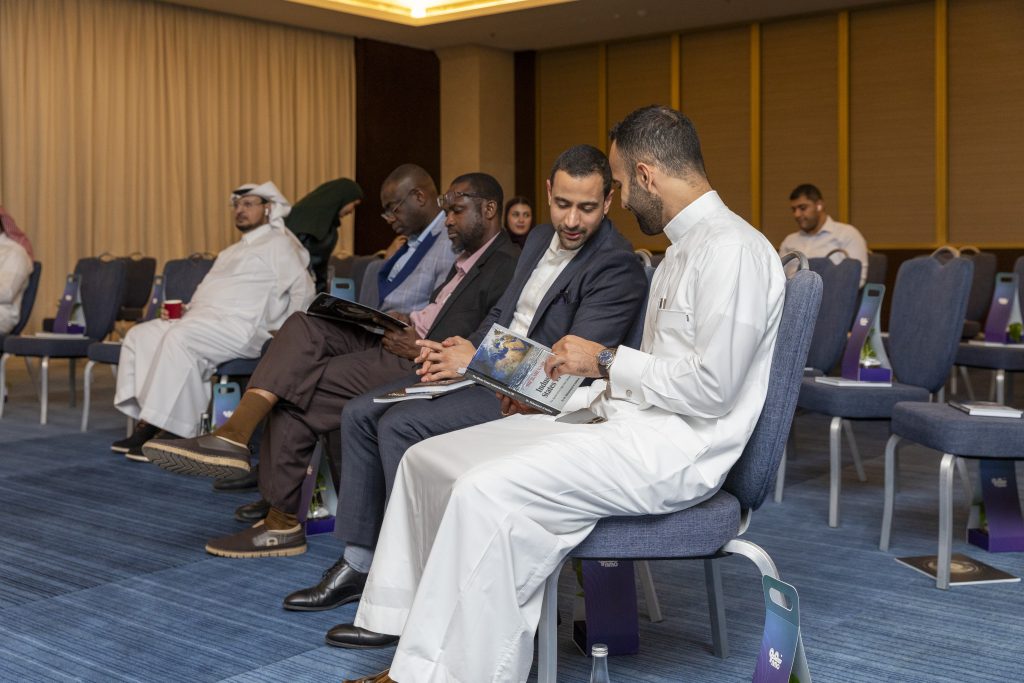
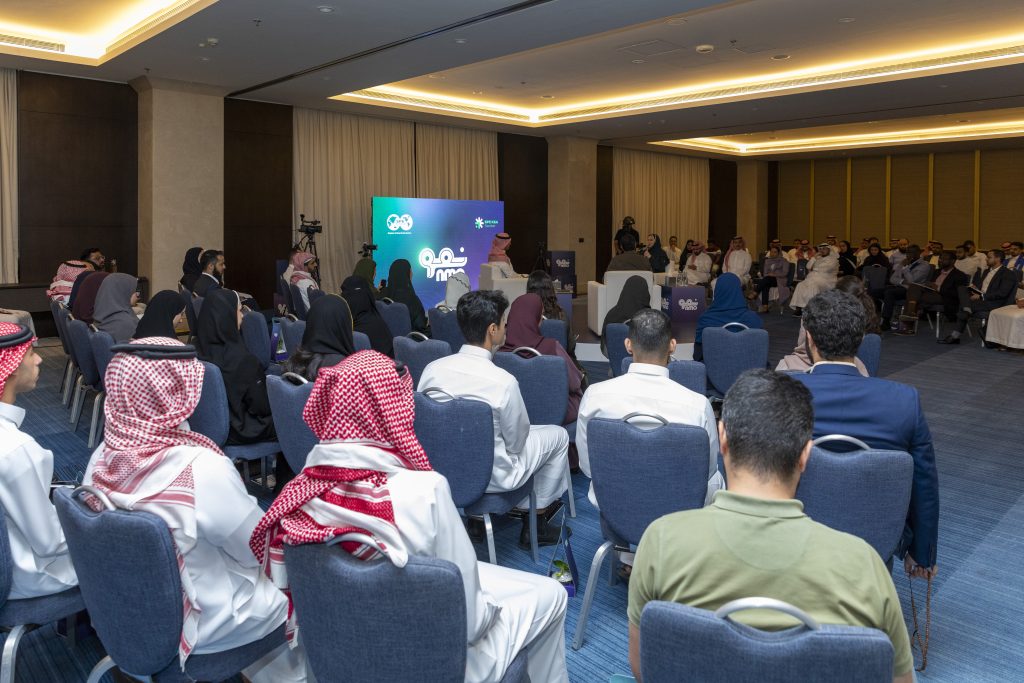
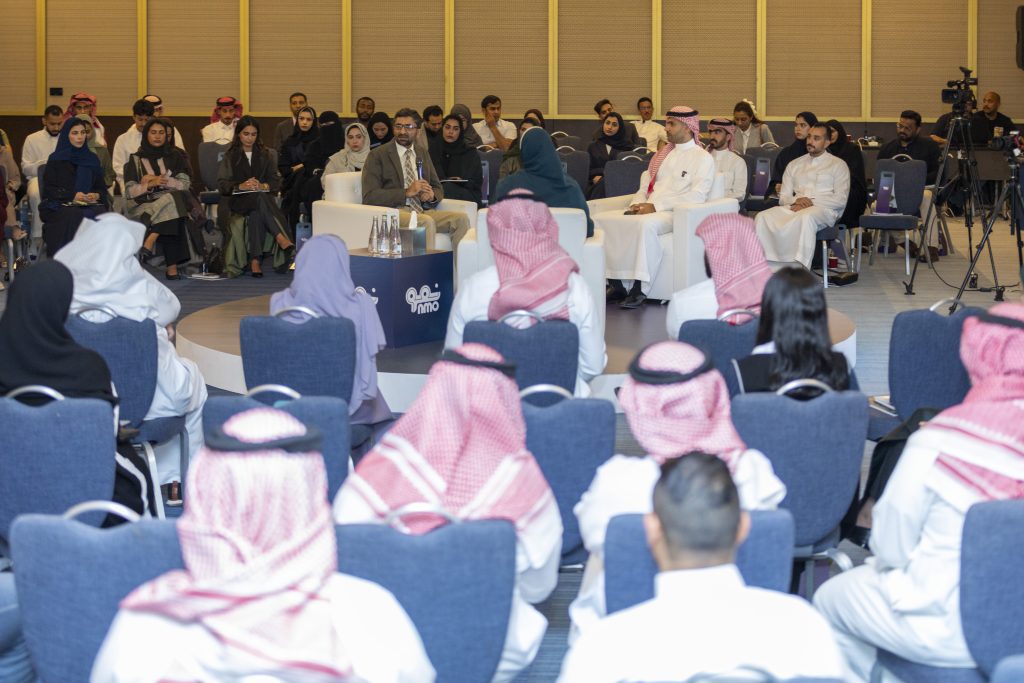
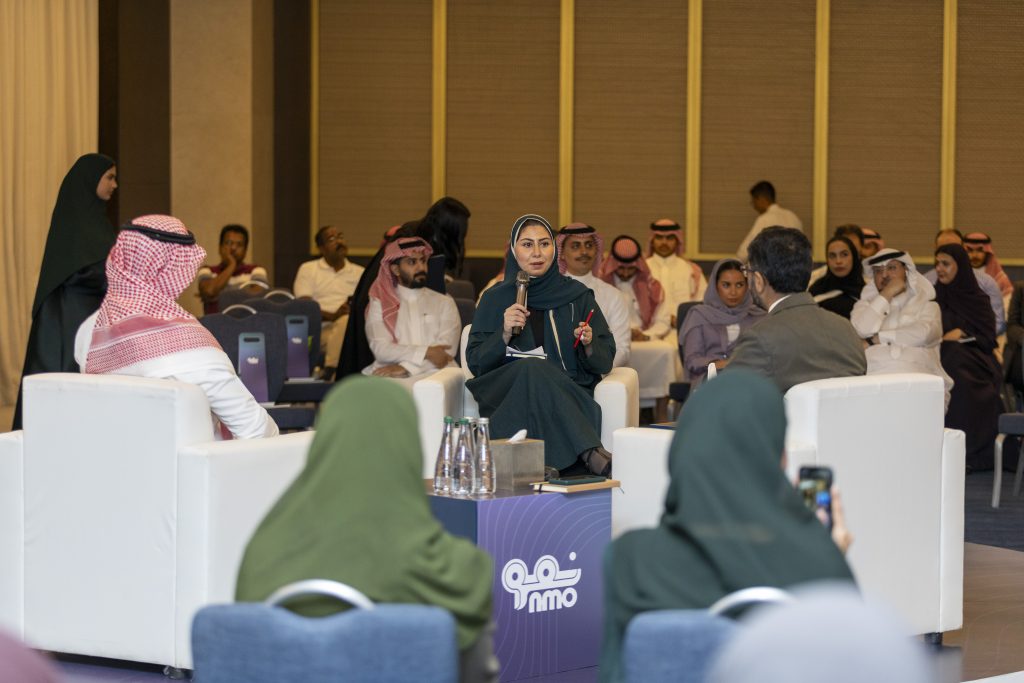
On May 21st, the Society of Petroleum Engineers – Kingdom of Saudi Arabia Section Technical and Professional Programs Committee hosted the fifth session of the NMO roundtable discussion titled "Challenging the Negative Image of the Energy Industry: Addressing Misconceptions and Shaping Perceptions." This session brought together 100 attendees and esteemed experts in the field, including Dr. Muhammad Asif, a professor in Energy Transition and Renewable Energy at KFUPM, and Ala' Alzayer, a Lead Petroleum Engineer at Saudi Aramco, with the discussion moderated by Rowa Tawfiq, a Supervisor at Saudi Aramco. The speakers explored the roots of the negative perceptions associated with the energy sector and emphasized innovation and effective communication's vital role in reshaping its image.
Negative perceptions of the energy industry often stem from concerns about environmental impacts and reliance on fossil fuels. However, the session emphasized that achieving global energy goals requires a diversified approach. A balanced mix of energy sources, including renewables, fossil fuels, and nuclear energy, is essential. Current renewable energy capacities alone are insufficient to meet the increasing energy demand. Therefore, the focus should be on energy integration rather than merely replacing one source with another. This diversified strategy is vital for a sustainable energy future and ensuring energy security in the face of growing global demand.
Moreover, the discussion pointed out that decarbonization remains a central focus for the industry. Many current strategies prioritize reducing carbon emissions rather than eliminating fossil fuels. This can be achieved through advanced technologies such as carbon capture, digital efficiency tools, and methane mitigation. These solutions are critical for meeting climate objectives and maintaining the reliability of energy supplies during the transition. The speakers underscored that the energy sector can contribute significantly to climate goals while providing the energy needed to power economies.
The session also stressed that national energy strategies must be tailored to reflect each country's unique resources, infrastructure, and socioeconomic context. Significant value lies in countries sharing insights and learning from each other's experiences. By adapting best practices, nations can avoid common challenges and enhance the effectiveness of their energy transitions. This collaborative approach can foster innovation and accelerate progress toward sustainable energy systems.
Importantly, the role of the oil and gas sector is evolving. While this sector provides a stable energy supply, it also actively invests in emissions reduction and diversification initiatives. Although the workforce within the industry may shift over time, its contribution to the global energy landscape remains significant and necessary. The session emphasized that a proactive approach to sustainability can help reshape the industry's image and reinforce its importance in transitioning to a cleaner energy future.
In conclusion, the session underscored the importance of reframing the narrative surrounding the energy industry. By highlighting proactive steps toward sustainability and addressing persistent misconceptions, energy leaders and professionals can encourage a more balanced understanding of the industry's role and commitment to a sustainable energy future. The insights shared by the speakers pave the way for constructive dialogue on how the energy sector can meet the challenges of today while preparing for a sustainable tomorrow.